Battery swelling, explained: why it happens and why refurbed keeps you safe from it
A phone that won't lie flat anymore. A laptop trackpad that rocks under your finger like a loose floorboard. Battery swelling looks alarming, and it is a real chemical process. But it's also one of the most predictable failures in consumer electronics, which means it's one of the easiest to catch before it ever reaches you.
Refurbished means a device has been professionally tested, cleaned and reconditioned, not just wiped down and resold. On refurbed, that testing already covers this exact failure mode before a refurbished smartphone ever ships. Here's what's going on inside the battery, and why you're safe from it when you buy through refurbed.
What causes battery swelling? The science behind the bulge
Think of a lithium-ion battery as having a heartbeat. Every charge sends lithium ions into the anode's graphite layers, and the material swells, by as much as 10% in volume. Every discharge, it contracts back. That's the mechanical heartbeat of a healthy cell, and it happens on every single cycle without anyone noticing.
Age changes the rhythm. After hundreds of cycles, the anode's structure starts to crack at a microscopic level, exposing raw surfaces to the electrolyte inside. Those cracks trigger side reactions that eat away at the electrolyte and release gas, and that gas is what pushes the sealed pouch outward until it visibly bulges.
None of this is one bad charge or a careless night on the charger. It's cumulative wear, the same way a screen dims slightly after years of use. Age and cycle count matter far more here than any single habit.

It's not really about overcharging: the drawer-phone problem behind most battery swelling
Blame overcharging all you want, that's the internet's favorite culprit, but most modern phones and laptops already cap how hard a plugged-in battery gets pushed. The real villain is quieter: deep discharge.
Picture an old phone shoved in a drawer, dead for months. It keeps bleeding what little charge is left until it drops too low, the protective layer inside the cell breaks down, and the electrolyte starts decomposing right there in the dark. Enthusiast forums have a name for what comes next: a 'spicy pillow'.
Notice the common thread. Every one of these stories starts with neglect, a device nobody looked at, charged, or checked on for months. Not a device that's actively used, tested and cared for. That single difference is exactly why professional testing catches what a forgotten drawer never will.
Thinner devices, smarter screening: what's really changed since 2020
Every gadget got skinnier after 2020. Phones, tablets, the thinnest laptops on the shelf, all of them shed millimeters in the name of design. That's a problem for a battery, because aging cells need room to expand, and today's slimmest housings leave the cell almost zero margin to grow into. Squeeze a battery that tight and any swelling shows up as a visibly warped case instead of staying hidden inside a roomier shell. Today's slim laptops feel the same squeeze phones do.
Here's the upside nobody talks about: testing got smarter at the same pace design got thinner. A battery heading toward trouble rarely jumps straight from fine to bulging. It telegraphs first, rising resistance, an unstable voltage reading, heat that shouldn't be there. Diagnostic testing built to catch exactly those signals can flag a failing cell weeks before it ever visibly swells, and that catch matters far more at the point of sale than it ever did on the drawing board.

How refurbed screens out battery swelling before it ever reaches you
Every device sold through refurbed comes from a professional seller required to file a test report proving it was 100% functional before it ever left the warehouse, battery included. A cell showing any of the warning signs above, unstable voltage, unusual heat, a charge that won't hold, gets pulled from inventory. It never makes it to a listing.
Call it customs control for batteries. The ones that fail never leave the building, let alone show up on your doorstep. Compare that to a phone that's been sitting dead in someone's drawer for a year with nobody checking on it at all, and the gap in risk is enormous.
You can see the proof of this screening on every single listing. Good, Very Good, Excellent, Premium, these grades describe how a device looks, never whether it works, because every device that earns one has already cleared the same functional check first. Battery included, no exceptions.
Testing isn't magic. It won't catch every possible fault in the universe. What it does is catch the overwhelming majority of battery problems long before a device gets boxed up and shipped to you.
Your safety net: warranty coverage if anything ever does slip through
Testing catches almost everything. Almost isn't nothing, so here's what covers the gap: a warranty.
Buy through refurbed and you get a minimum 12-month warranty plus a 30-day trial period, full stop. If a battery issue somehow slips past testing and shows up after delivery, fixing it is the seller's problem, not yours. Buying secondhand from a stranger online is a different story: any fault that surfaces the week after payment lands squarely in your lap.
Nobody's claiming battery swelling is impossible, that would be dishonest. What's true is this: buy through a professionally tested, warrantied marketplace, and the risk moves off your plate the moment you hand over your money.
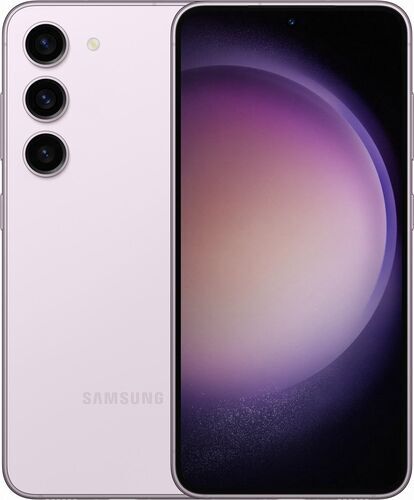
Frequently asked questions about battery swelling and refurbished tech
Is a swollen battery dangerous?
Yes. Stop using it, stop charging it, and get it to a professional. Don't press the bulge down and don't puncture the pouch, that's how a slow chemical problem turns into a fast one.
Can I spot a swelling battery before I buy a device?
Not from a photo. Heat, voltage instability and rising resistance all show up long before a case visibly bulges, which is exactly why lab testing beats a visual check every time.
Does a swollen battery mean the whole device is ruined?
No. Catch it during professional reconditioning and the battery gets swapped out like any other worn part. Everything else on the device stays exactly as functional as it was.
What do I do if my device starts swelling after I buy it?
Stop charging it immediately. Bought it from refurbed? Contact support, this falls right under your warranty.
Shop refurbished smartphones tested for battery health
Every refurbed smartphone clears the same battery test described above, then ships with a minimum 12-month warranty and a 30-day trial. The risk equation is already solved before you even open the box.


Sign up for our newsletter for the first time and save 15€!
Never miss an offer again.
Information about the use of personal data can be found in our Privacy policy.
Get the refurbed app
For iOS and Android


Confirm sign-up
Click the link in our confirmation e-mail to receive your voucher. It will be applicable to purchases from 200€.
- © Refurbed Marketplace GmbH
- Accessibility
- T&C
- Privacy Policy
- Imprint
- Legal Notices
- European Data Act
- Cookie Policy