The life of an iPad: how many years will it stay loyally by your side?
iPads are built different. Apple's tablets tend to outlast the excitement of any single model year, long before the hardware itself gives out. The interesting question isn't whether your iPad will last. It's how many years of real use you get out of it, generation after generation, and how to stretch that further, especially with a refurbed iPad.
The quick answer, by situation:
- Casual user, student, or mostly streaming and browsing? A 6 to 8 year old iPad, or a base model, comfortably covers your needs for years.
- Creative work, illustration, or video editing? Look at the Pro or Air tiers. Even a several year old M-series chip handles demanding apps with ease.
- Want the long-term smart buy? A refurbished iPad saves real CO2, water, and e-waste without giving up years of usable life. The numbers are below.
Overbuilt hardware, restrained software
Every iPad ships with more chip and display headroom than the software needs on day one. That gap is exactly why iPads keep up for years: the M-series chips inside the Pro and Air remain competitive long after release, and even older A-series chips handle everyday browsing, streaming, and note-taking without strain.
Apple backs that hardware with one of the longest software support windows in the tablet market. Multiple years of iPadOS updates keep security current and unlock new features on the same device, which is the real reason iPads stay relevant so much longer than most tablets.
None of this is unlimited. Rising app and software demands do eventually catch up with older hardware, especially on base-tier models. The honest version of that story is below.
A refurbed iPad is the same device: professionally tested, cleaned, and backed by a minimum 12-month warranty, at a lower price and a lower footprint than buying new.

The iPads we're talking about

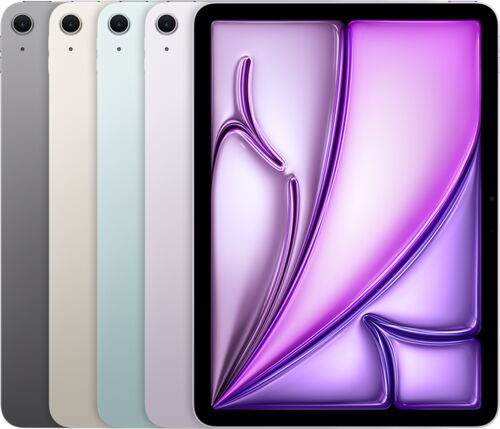
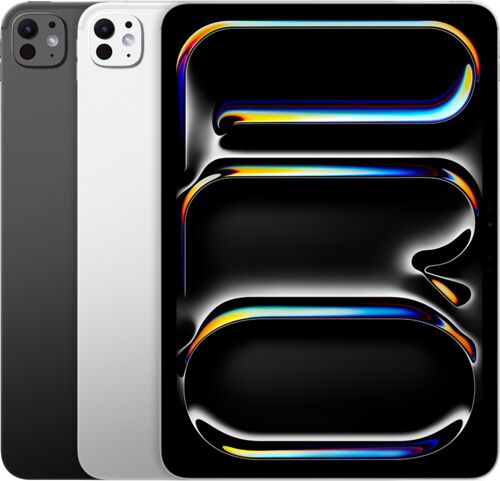
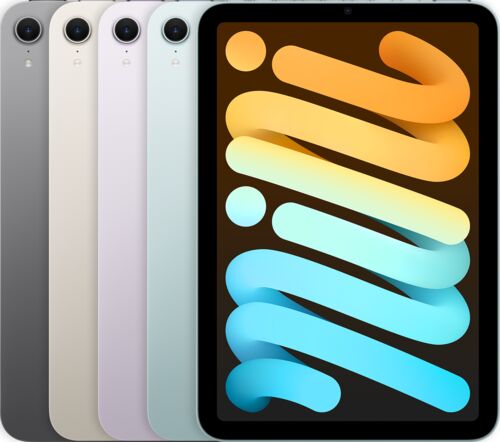

Chip, display and the myth of slowing down: real iPad lifespan by generation
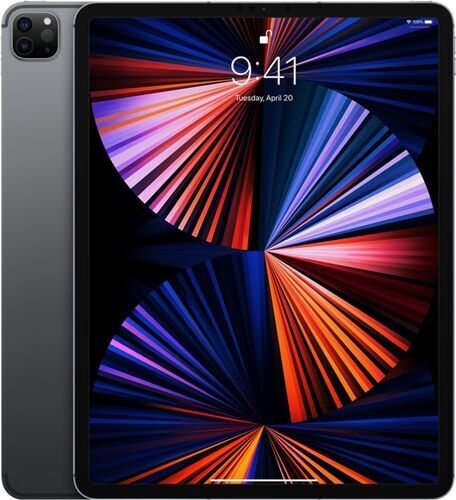
Chip performance is the part that ages best. Reviewers running a 4 year old iPad Pro (2021), 12.9-inch, M1 side by side with the newest models reach for the same phrase again and again: it ages like fine wine. The M1 chip still handles multitasking, photo editing, and most creative apps without complaint.
That said, two long-term reviewers tested the exact same 4 year old M1 iPad Pro and landed on opposite verdicts. One noticed growing stutter over time. The other found no slowdown at all. The difference comes down to workload, not a flaw in the device: heavy multitasking and demanding apps show their age faster than lighter, everyday use.
Display quality holds up just as well. High refresh rate, colour accurate screens still look sharp next to the newest panels, and the smooth scrolling feel does a lot of work masking any perceived chip slowdown.
The one real limit on base-tier models is what to call the ceiling: some point to RAM and chip headroom running low under heavier multitasking, others point to storage filling up first as apps and photos accumulate. Either way, it is worth sizing your storage for how you use the device day to day, not just for today's price tag.
Keep the battery healthy, but watch the software
One owner had an iPad Pro checked at an Apple Store after 4 years of daily use and found it still had 95% of its original battery capacity. Apple's rating is 80% capacity after 1,000 full charge cycles, which for most people means several years of daily use before a battery swap is worth considering. Battery health rarely forces an upgrade on its own. Growing demands from apps and iPadOS may limit an older iPad's useful life first.
Keep charging heat down. Heat, not charge cycles alone, wears a battery down. Aim to keep the iPad roughly within 16 to 22°C while charging, and avoid direct sun or a hot car, where temperatures above 35°C speed up wear. If an older iPad lacks a built-in charge limit, you can set a smart plug or timer to cut power when the battery reaches around 80%.
Protect the parts you handle every day. A well-fitted case and a light touch with the charging cable help prevent everyday damage. The charging port is easy to overlook: frequent cable insertion wears it down. Browse cases and other tablet accessories on refurbed if yours needs one.
Two myths worth dropping: leaving Wi-Fi and Bluetooth on does not meaningfully drain the battery. Running it down to 0% does not train it to hold more charge; it only uses up a charge cycle.
Upgrade for the workload, not just the pen
If you use your iPad for handwritten notes, annotation or illustration, a newer generation does not automatically make those pen-led tasks more useful. The stylus's practical value as an input accessory changes little from one generation to the next.
Judge two things separately: does writing or drawing on your current setup still work for you, and do your apps need more processing headroom? Taking notes for study and working in demanding illustration apps place different demands on the iPad itself. If you're considering another iPad, check which stylus that specific model supports before buying.
Less iPad lifespan wasted: refurbished savings, generation by generation
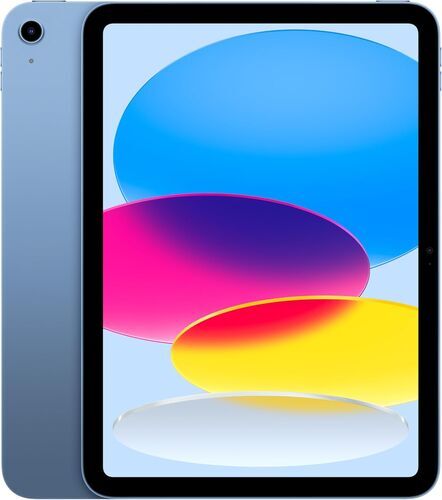
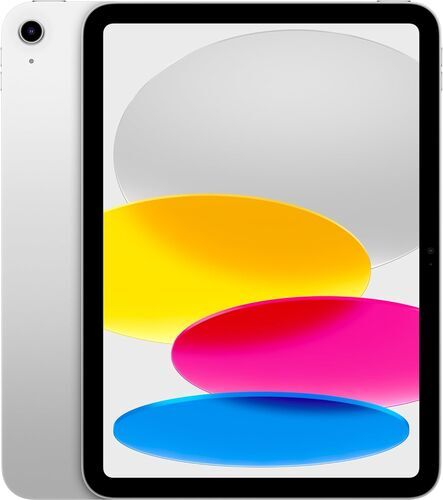
From 443,00 €
CO2 saved
89.9 kg (82%)
Water saved
40,745.5 L (91%)
E-waste saved
477.3 g (96%)

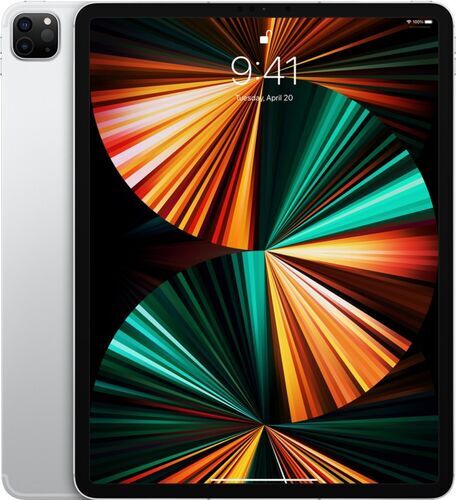
The iPad Pro (2021), 12.9-inch, M1 saves the most of any model here: proof that an older Pro that still performs well beats a brand-new base model on both counts.
Based on scientific research by Fraunhofer Austria, calculation model verified according to ISO 14040/14044 standards.
Which iPad, and which era, fits your life?
Casual browsing, streaming, and note-taking? A 6 to 8 year old iPad or a current base model, like the iPad 11 (2025), comfortably covers you. Students get the same answer: a base model handles an entire education cycle of notes and research without needing more.
Creative work, illustration, or video editing? Higher chip and RAM headroom pays off here. Even a several year old M-series unit, like the iPad Pro (2021), 12.9-inch, M1, still handles demanding creative apps with ease.
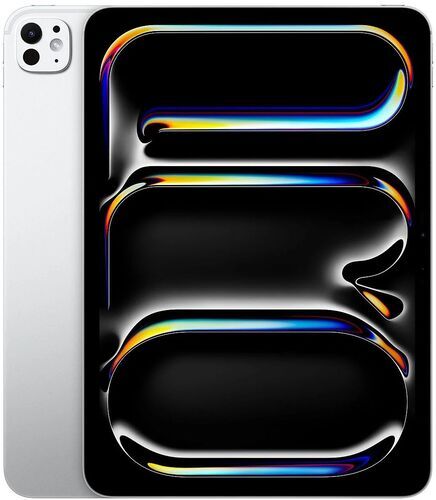
Using an iPad as your main computer, long term? This is the clearest case for a Pro-tier model, like the iPad Pro (2024), 11-inch, M4, paired with a keyboard. That accessory earns its cost here in a way it does not for someone who already owns a laptop.
Budget-conscious and buying for the long run? The iPad Air (2025), 11-inch is the practical sweet spot: current performance without Pro pricing. Compare year-by-year options on the iPad Air guide.
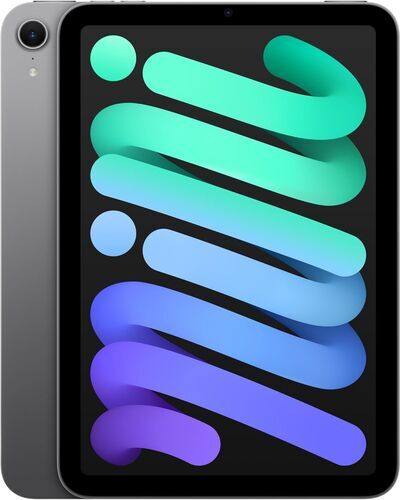
Want the smallest, most portable option? The iPad mini (2024) covers the same casual use cases in a size that fits in one hand or a small bag.
Eyeing an older, discounted higher-tier iPad? Expect real battery wear, and factor in a possible future battery swap that is not included in the bargain price. If a smooth, high-refresh Pro-tier screen is a hard requirement, go current-generation instead of compromising on an old, discounted Pro.
The "too good" paradox
Here is the paradox: an iPad that lasts long enough starts working against Apple's next launch. Owners keep saying the same thing about their years-old model: it just won't die, and the truth is closer to a compliment than a complaint. Raw capability rarely runs out before the desire for something newer does.
If the hardware is not the reason to upgrade, let the resource savings be the reason to buy the next one refurbished instead of new. A refurbed iPad gives you the same durability story starting on day one, at a lower price and a lower footprint.
iPad lifespan FAQs
How long does an iPad last? Most iPads deliver 5 or more years of daily use before software or battery meaningfully limit them, and many owners keep using the same model well beyond that.
Does a refurbished iPad have less battery life left? No. Every refurbed iPad is tested and graded for battery health before listing, and it is backed by a minimum 12-month warranty. Refurbished does not mean worn out.
Is an older iPad Pro or a new iPad Air the smarter long-term buy? It depends on workload more than age. A Pro from a few years back still outperforms a brand-new base model for creative work, while the Air covers most everyday and study use for less money.
Do software updates eventually slow old iPads down? Rising app and iPadOS demands are the real long-term ceiling, more than any single hardware failure. That is usually what pushes an upgrade decision, not a broken battery or chip.
Buy smart, keep it longer
The strategy that holds up across every generation: buy the newest iPad you can reasonably justify, size the storage for how you use it offline, and pick the Air unless you specifically need what the Pro adds.
Every model on this page is available refurbed today: professionally tested, backed by a minimum 12-month warranty, and priced for the years of use still left in it.

Sign up for our newsletter for the first time and save 15€!
Never miss an offer again.
Information about the use of personal data can be found in our Privacy policy.
Get the refurbed app
For iOS and Android


Confirm sign-up
Click the link in our confirmation e-mail to receive your voucher. It will be applicable to purchases from 200€.
- © Refurbed Marketplace GmbH
- Accessibility
- T&C
- Privacy Policy
- Imprint
- Legal Notices
- European Data Act
- Cookie Policy